Identification
Wagner’s 1891 Original: the date in the name is not the date it was made
A familiar mark causes an equally familiar mistake. The wording is a product-line name, not a stamped manufacturing year.
Rundstrom field note · 4 min read
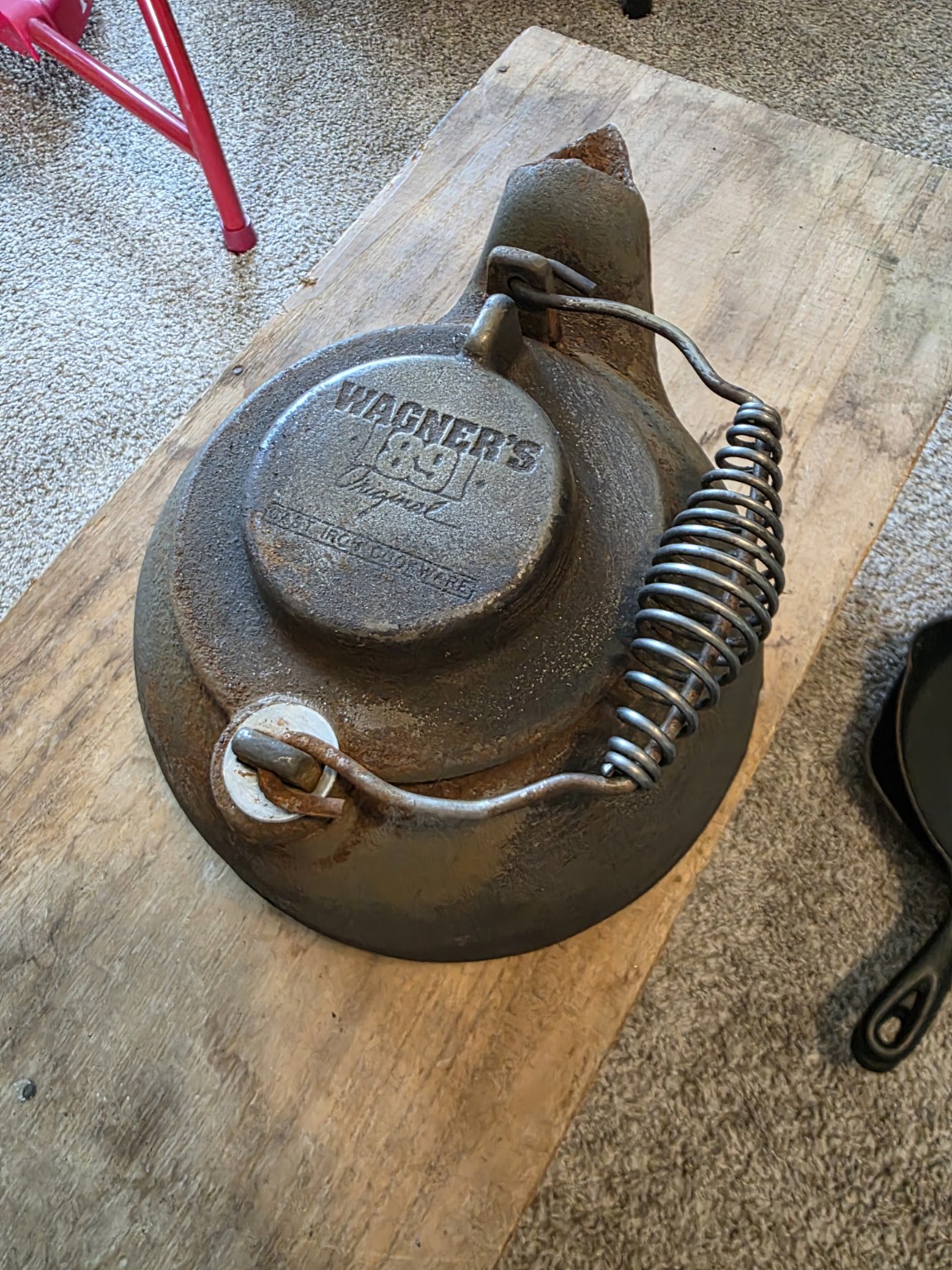
Read the whole mark
When a casting says “Wagner’s 1891 Original,” it is tempting to describe the object as made in 1891. That is not what the mark establishes. “1891 Original” identifies a later product line that referenced the company’s founding-era heritage.
The words are still useful evidence—they can help place the piece within a brand family—but the number should not be copied into an age claim without independent support.
What to record instead
Photograph the complete wording, every number and letter, the underside, handle or bail attachments, profile, lid, and interior. Castings were produced in families; construction details often say more than the most prominent number.
- Transcribe marks exactly before interpreting them.
- Separate manufacturer, product line, pattern number, and claimed date.
- Use “attributed to” or “consistent with” when evidence is incomplete.
Why the correction matters
Good identification protects buyers, preserves useful records, and lets the real story stay interesting. A piece does not need an invented nineteenth-century birthday to deserve careful restoration.
Sources and further reading
These references support the identification, history, or restoration context used in this field note. Exact-piece observations come from the Rundstrom inventory record.
Have this question about your own piece?